
1
Product Center
Precision Fiber Optic Cleaver
- 产品描述
- 优势特点
- 技术参数
- 应用领域
-

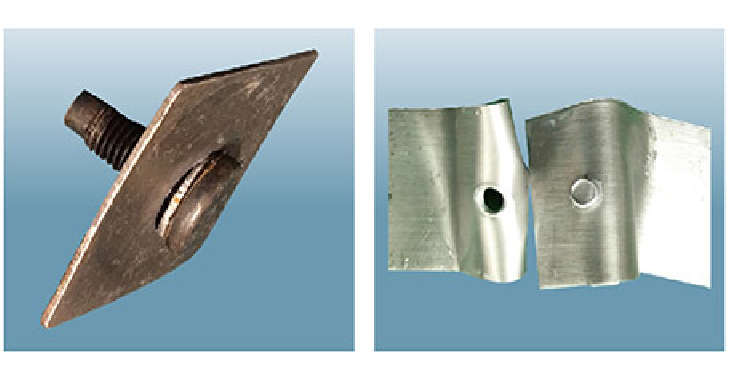
Welding Samples
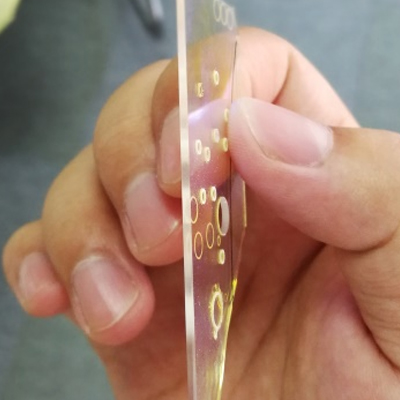
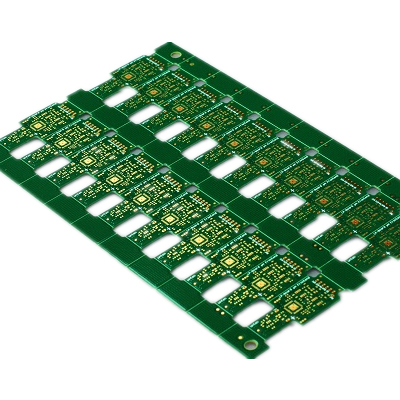
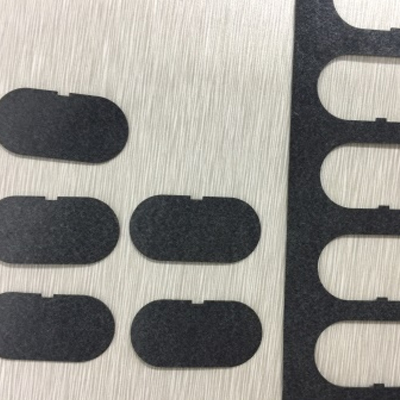
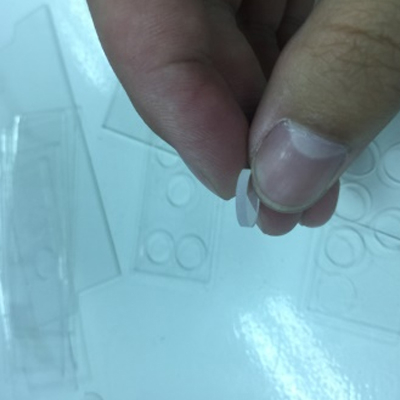
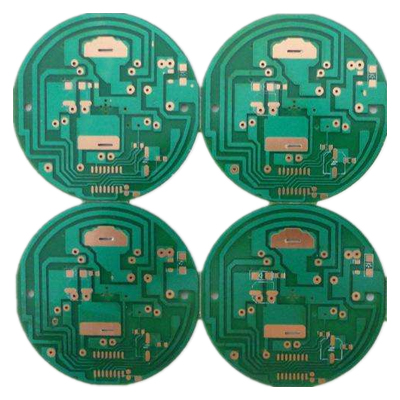
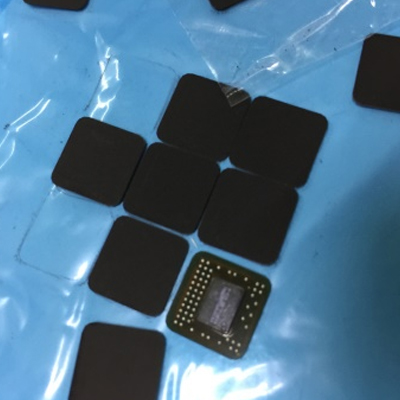
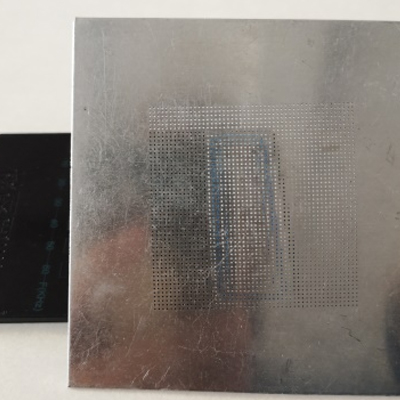
Cut Sample Display
Smooth cutting with no burrs


Pull Test
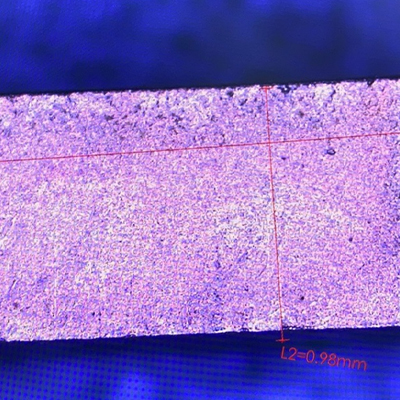
Tensile test
The target of achieving base metal strength has been met.
Partner
Partners
Trusted by renowned enterprises





Product Description
Product Introduction
Precision Fiber Optic Cleaver
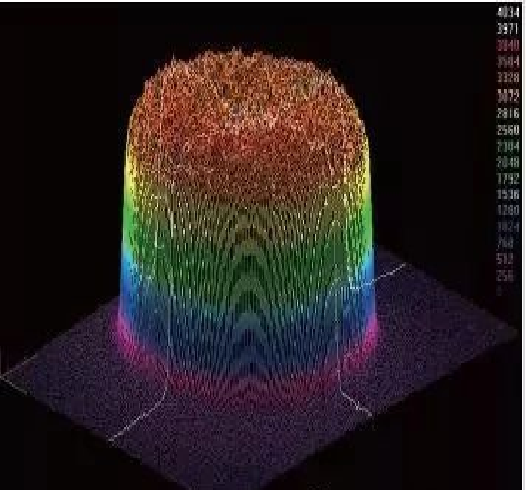
Fiber lasers, with a wavelength of 1064 nm, offer excellent beam quality and high power density, which greatly enhances absorption by metallic materials and delivers outstanding cutting performance. The laser beam is focused to a very small spot, achieving an extremely high power density at the focal point; this rapidly heats the material to the point of vaporization. Cut widths typically range from 0.05 to 0.20 mm, positioning accuracy is 0.05 mm, repeat positioning accuracy is 0.03 mm, and cutting speeds can reach 10 m/min. These lasers also boast high optical conversion efficiency—exceeding 30%—resulting in significant energy savings during operation.
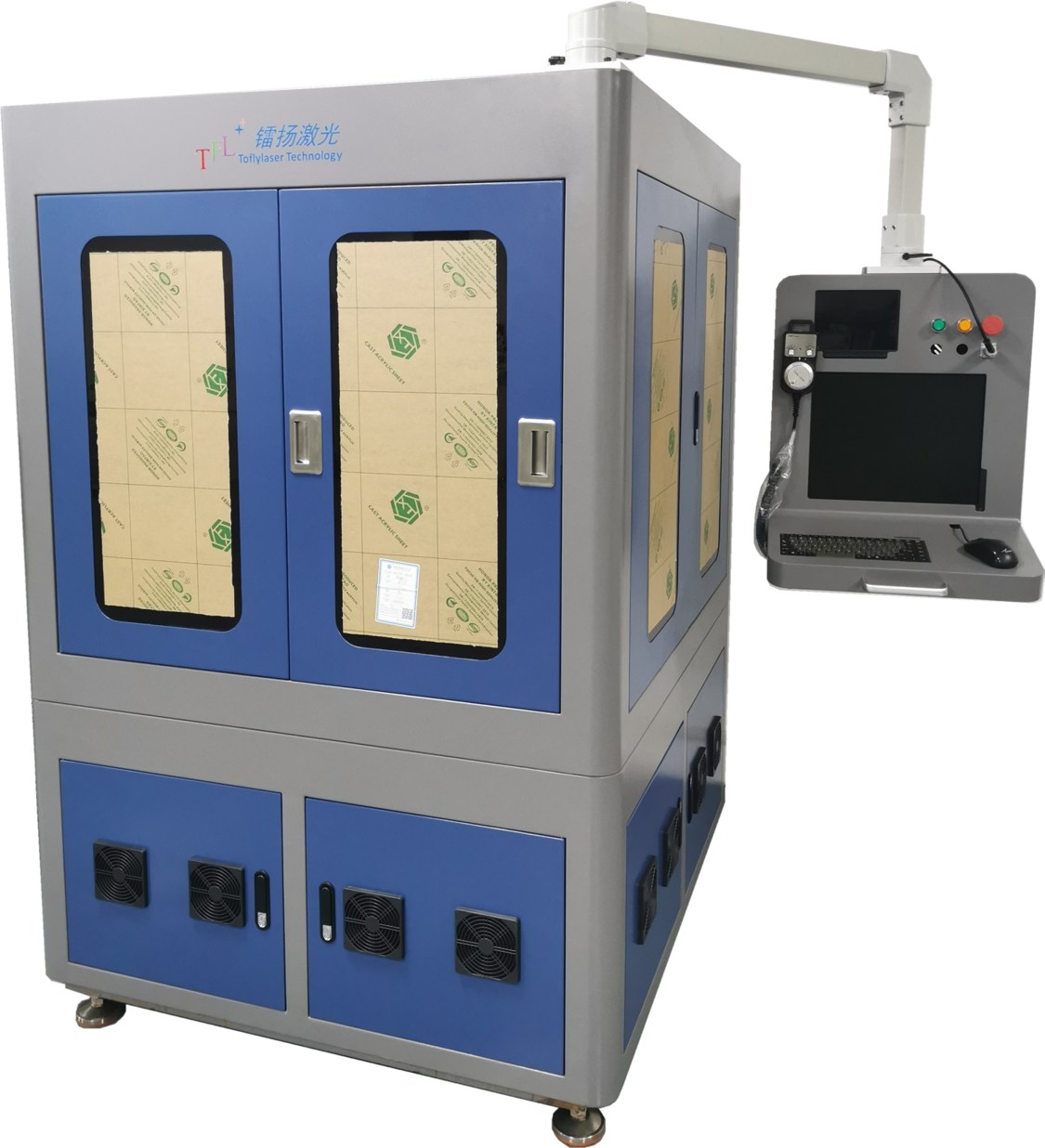
C1000-F-L

C1500-F-L
01 Precise ultrashort pulse width, with virtually no heat transfer
Using a picosecond laser, ultrashort-pulse processing results in virtually no heat conduction, making it suitable for high-speed cutting and drilling of any organic or inorganic material, with chipping and a heat-affected zone as small as 3 μm. Processable materials include: silver paste, ITO, Cu, glass, sapphire, ceramics, ultra-thin metal foils, polymer composites, silicon wafers, as well as various alloy and thin-film materials. Features include CCD visual pre-scanning and automatic target acquisition positioning, a maximum processing area of 500 × 400 mm, and XY stage stitching accuracy ≤ ±3 μm. The beam quality is excellent, and long-term operational stability is outstanding.
02 High-precision galvanometer scanner, the first choice for precision micro-machining
It employs an imported Q-switch and a high-speed galvanometer scanning system, delivering high peak laser power and fast scanning speeds, making it ideal for precision laser marking and micro-machining.
03 Intelligent software, user-friendly operation
Advanced hardware control technology and intelligent software ensure easy operation and stable performance, providing customers with efficient, cost-effective mass-production machining.
04 Easy to maintain, stable performance
The machine offers stable performance, long service life, and high electro-optical conversion efficiency. It features low energy consumption, easy maintenance, and cost savings, and is available in various laser and equipment configurations, allowing customers to select different processing methods for different applications.
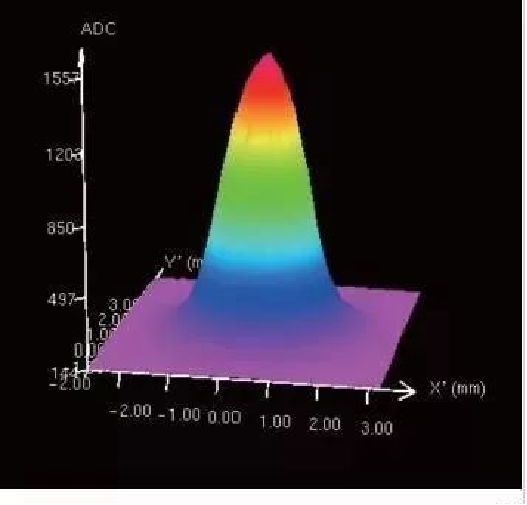
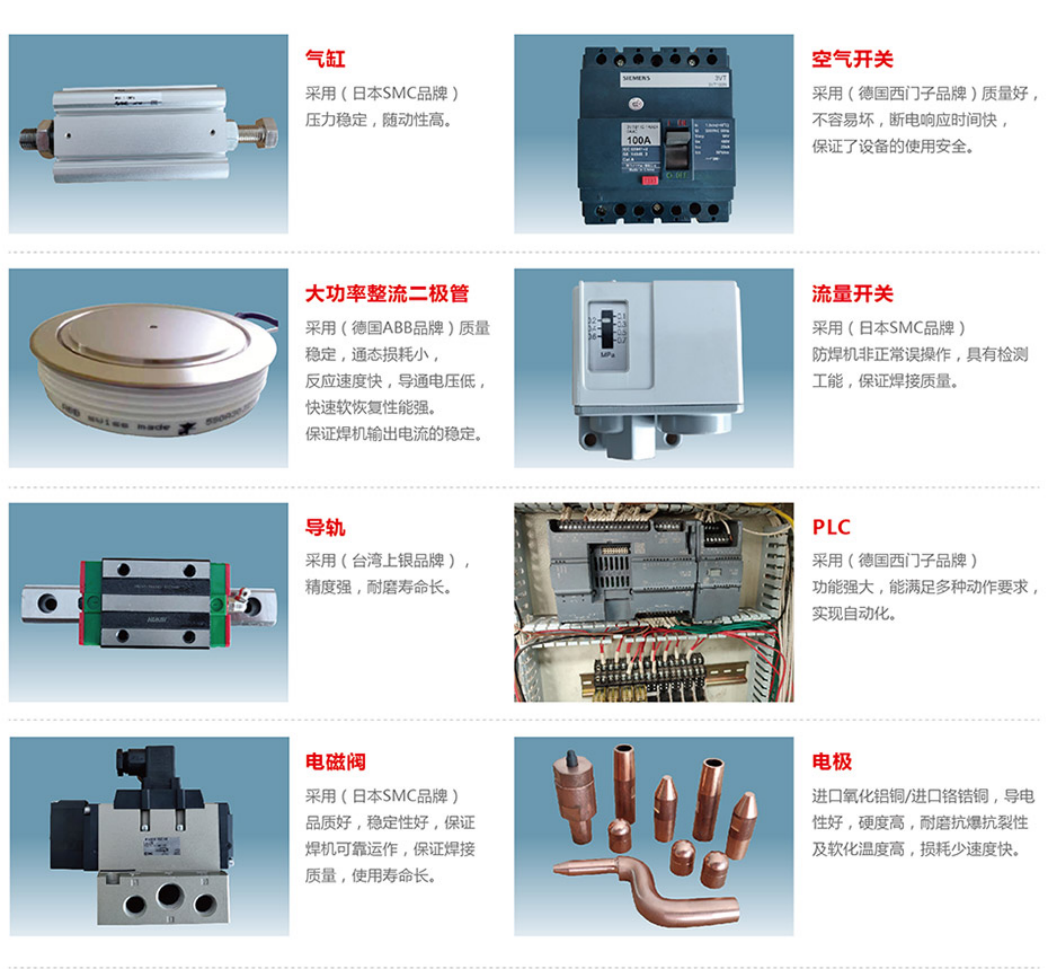
Core Component imported configuration
Core components: imported configuration
Customized Project introduction
Custom Project Overview
TFLamphenol 7130 Headphone Soldering Project Introduction
01 Customer Background and Pain Points
Dongfeng Motor Corporation, a long-established central state-owned enterprise primarily engaged in automobile manufacturing, faces the following challenge: customers need to cut 0.1 mm stamped parts from the post‑stamping blank material.
1. Cutting efficiency is extremely low: The previous process used a conventional laser cutting setup, which was inefficient.
2. Burr length does not meet specifications: Due to the material being a 0.1 mm-thick stainless steel sheet with a relatively long length of 500 mm, cutting deformation occurs, resulting in excessive burr length.
The customer is very frustrated by these two issues and has been unable to find a solution.02 Customers have high requirements for the equipment
On October 16, 2019, Dongfeng Motor found us online, discussed with our sales project engineer, and expressed interest in customizing a welding machine to meet the following requirements:
1. Improve cutting efficiency;
2. Reduce the number of fixture repairs;
3. Cutting efficiency must be improved by 50% compared to the current level.
4. The yield rate must be increased by 30% over the current level.
5. Resolve the issue of unstable cutting;
Based on the customer’s requirements, the existing standard laser cutting machines simply cannot meet them. What should we do?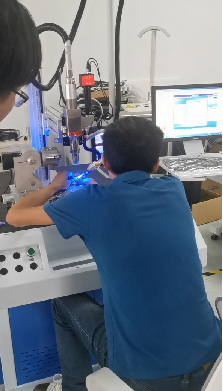
03 Custom development of the W150-F-J quasi-continuous laser welding machine according to customer requirements
Based on the customer’s requirements, the company’s R&D Department, Cutting Process Department, and Sales Department jointly held a new project development meeting to discuss process technology, fixtures, structure, power-feed methods, and configurations. They identified key risk points, developed solutions for each, and finalized the basic direction and technical details as follows:
1. Prototype testing: The Rayyang cutting process engineer quickly fabricated a simple fixture for prototyping and used our existing medium-frequency welding machine to conduct test runs. After three days of back-and-forth testing and microscopic inspection, the cutting parameters were essentially finalized.
2. Equipment selection: The R&D engineer and the cutting process engineer collaborated and calculated the required power rating based on the customer’s specifications, ultimately selecting the C1000-F-G stainless steel thin-wafer dicing machine.
3. Equipment stability: Our company uses exclusively imported components for all core parts.
4. Equipment Advantages:
1) The automatic stainless steel sheet cutting machine we selected uses a linear motor, improving efficiency by more than 50% compared to the previous servo motor module.
2) We have selected a specialized laser module, which eliminates burr formation, resulting in a high yield rate, stable solder joints, and high strength; the burr size can be reduced to within 5 µm.
3) Easy to operate; ordinary workers can handle it, eliminating the need for professional welders and reducing labor costs.
4) When used with an automated positioning fixture, cutting efficiency can be increased by 50% compared to the previous level.
5) Using dual-vibration lens cutting results in a high yield rate, which can be increased by 30% compared to the previous method.
5. Delivery period: 25 working days.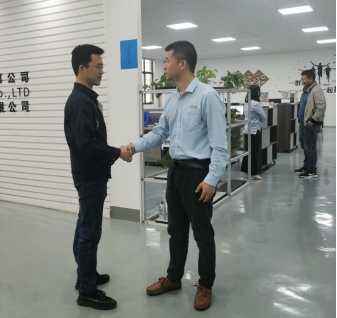
04 Efficient design, timely delivery, professional service, and unanimous praise from customers
After finalizing the equipment technical specifications and signing the contract, Rayyang’s project manager promptly convened a production kickoff meeting to establish timelines for mechanical design, electrical design, machining, purchased components, assembly, and integrated testing, as well as for the customer’s on-site pre-acceptance, corrective actions, final inspection, and delivery. The team then used the ERP system to systematically issue work orders to each department and closely monitor and follow up on their progress.
In the blink of an eye, 30 working days have passed. The customized stainless steel foil cutting machine for Dongfeng Motor has successfully completed its aging test. Following two days and one night of on-site installation, commissioning, and training on technology, operation, and maintenance conducted by our professional after-sales engineers, the equipment has been put into normal production and fully meets the customer’s acceptance criteria. Dongfeng Motor is highly satisfied with the machine’s actual production and cutting performance, as it has resolved issues with yield rates, improved cutting efficiency, and reduced labor costs. They have also expressed strong recognition and high praise for our work.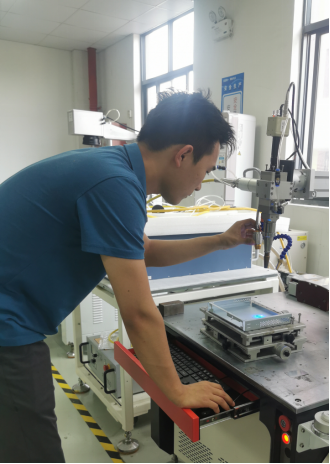
05 Meeting your customization needs is the mission of Raythink’s continued development.
Our customer base guides us,
What material do you need to cut?
What are the cutting requirements? What cutting process is used?
Do you need a fully automatic, semi-automatic, or assembly-line system?
Please feel free to raise any questions; LeiYang can provide “custom R&D” for you.
Customer cases
Customer Cases
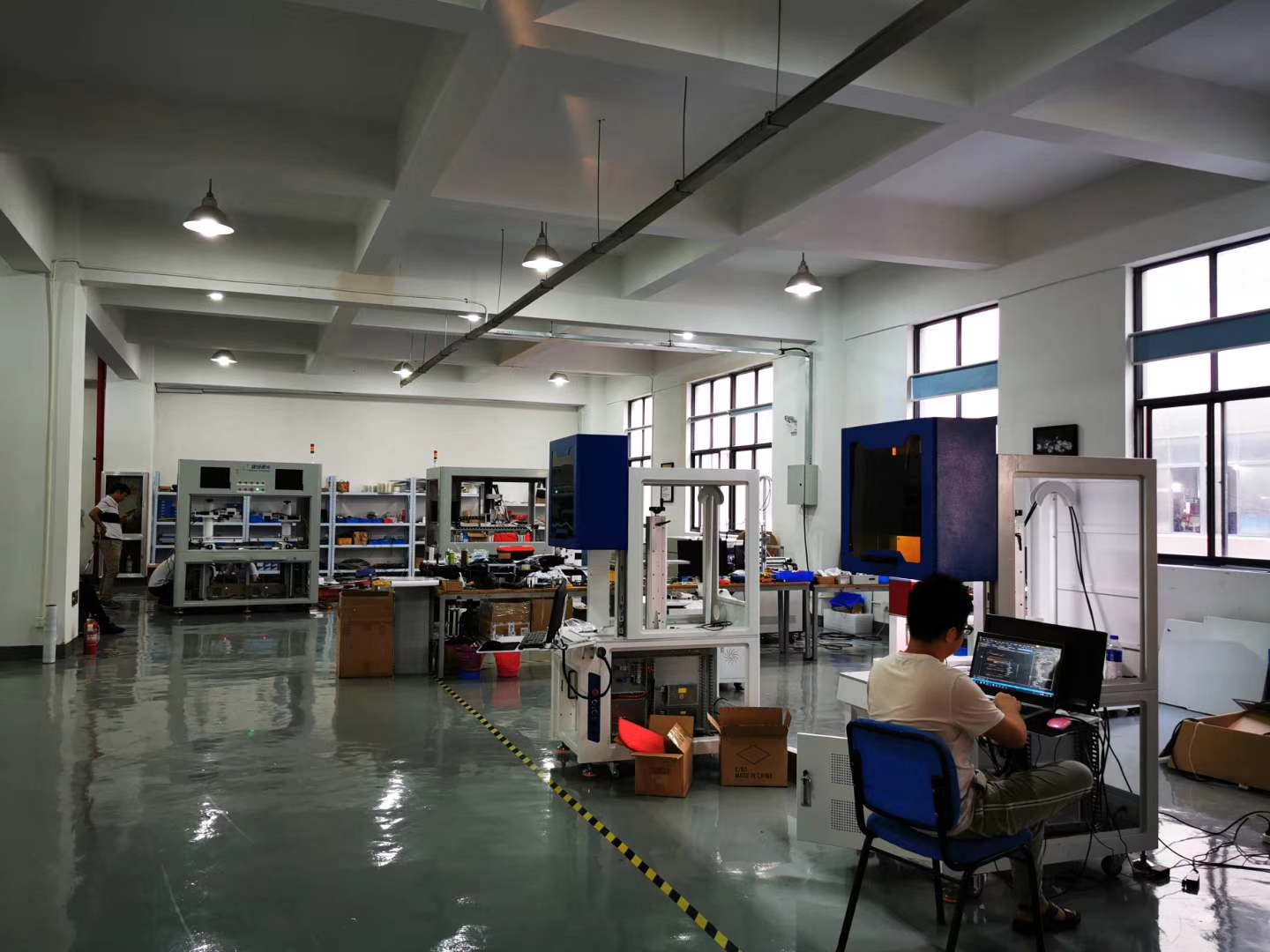
Amphenol headphone laser welding production line
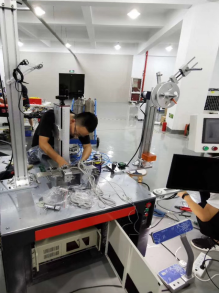
Automatic Battery Tab Welding Machine
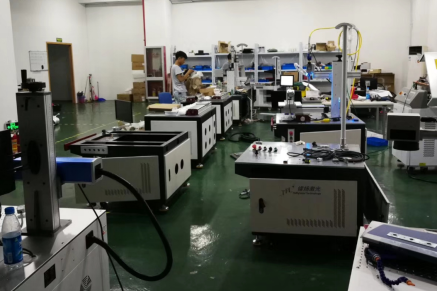
Medical Device Laser Welding Machine
R&D CUSTOM PROCESS
Custom R&D Process
Professional, attentive service—Leiyang is with you every step of the way!
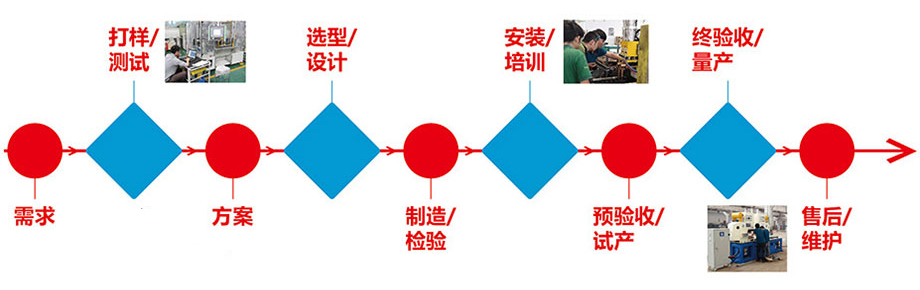
Service System
Customer Service System
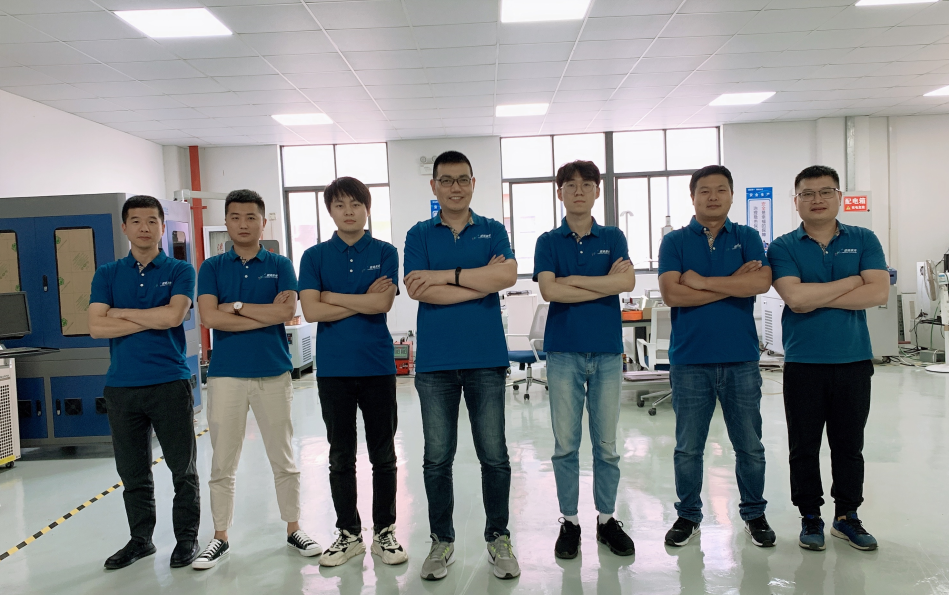
Raiyang 20 A multi-person service team, 24/7 Service online, 8h Service at your doorstep, lifetime maintenance!
Our after-sales engineers provide free on-site installation and commissioning, along with hands-on training, to ensure your success!
GROUPED EQUIPMENT
Auxiliary equipment
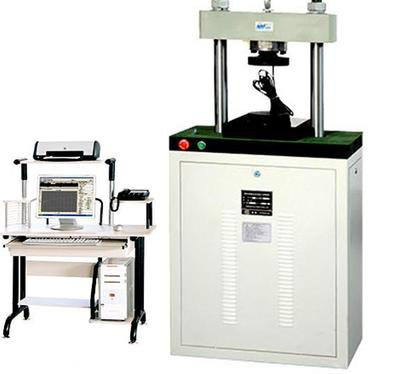
Pressure tester
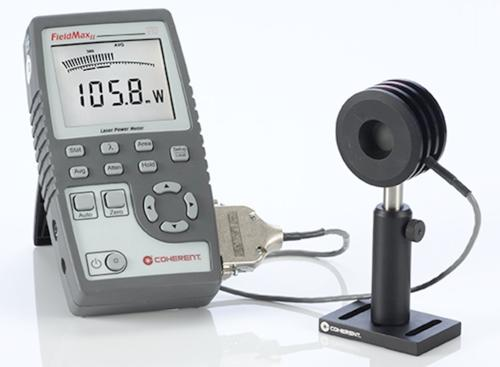
Laser power meter
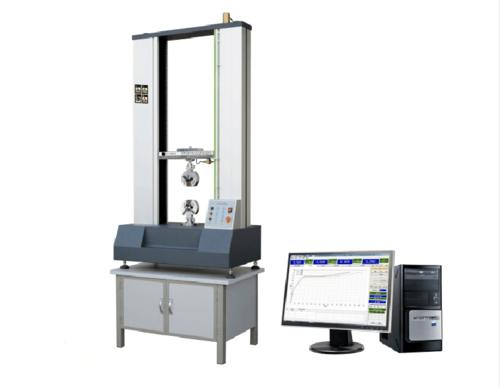
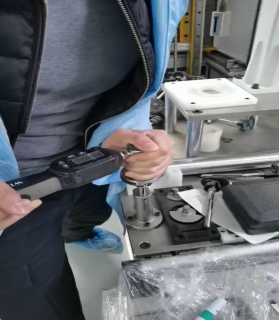
Tension meter
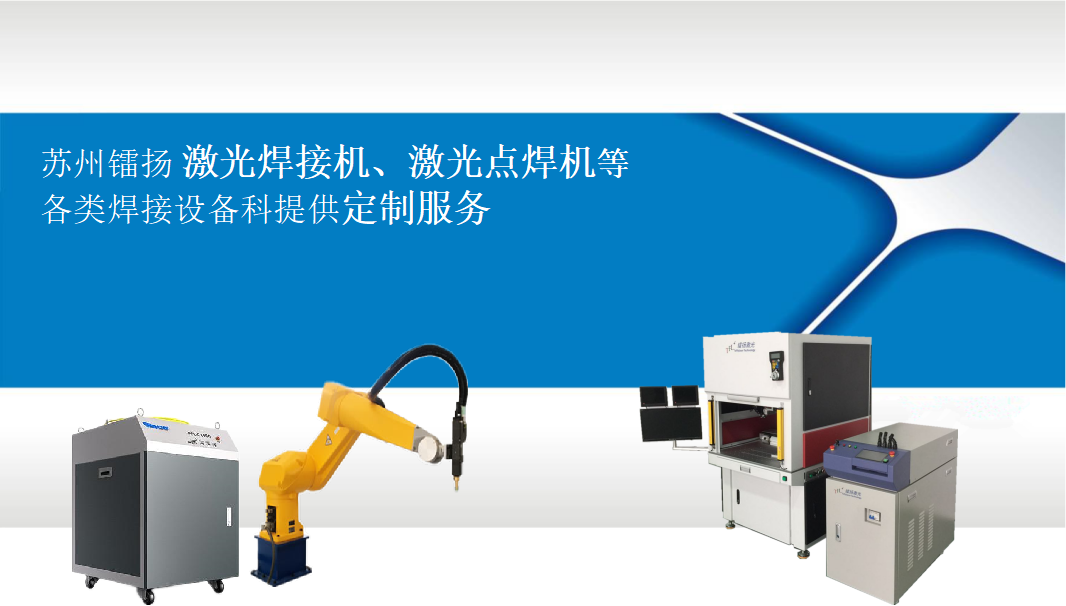
Robotic laser welding machines perform deposition, sealing, and equivalent repair functions on defects such as wear, scratches, pinholes, cracks, deformation, reduced hardness, and other issues in molds and metal workpieces. After repair, the component remains undeformed, requires no annealing, exhibits no edge biting, has no residual stress, and retains its original metallurgical structure. Repair precision is high, with coating thicknesses ranging from a few micrometers to several millimeters, requiring only polishing to achieve a glossy finish. Powered by high‑intensity argon shielding gas, it can operate continuously for extended periods. Laser beam energy and travel speed are adjustable, enabling a variety of welding processes. Highly automated, laser welding can be computer‑controlled, offering fast welding speeds, high efficiency, and ease in handling welds of any complex geometry.
Robotic laser welding machines (also known as laser welders) are a thermal processing technique that uses a laser beam as the heat source, offering numerous advantages over electron-beam, plasma-beam, and conventional machining methods. The laser beam features a small focal spot and high power density, enabling the welding of alloys with high melting points and high strength. Laser welding is a non-contact process, eliminating issues such as tool wear or tool changes.
Robotic laser welding machines produce a small heat-affected zone and minimal material distortion, eliminating the need for post‑weld processing. Lasers can weld workpieces inside vacuum vessels and within complex geometries through glass. The laser beam is easily steered and focused, allowing for manipulation in any direction. Compared with electron‑beam processing, laser welding does not require a stringent vacuum system and is easy to operate. It offers high production efficiency, consistent processing quality, and significant economic and social benefits.
Robotic laser welding machines represent one of the advanced manufacturing processes for hermetically sealing metal sensor housings. Laser welding is characterized by a high depth-to-width ratio, producing welds that are both deep and narrow, as well as bright and aesthetically pleasing. Due to its high power density, the melting process is extremely rapid, resulting in low heat input to the workpiece, fast welding speeds, minimal thermal distortion, and a small heat-affected zone, thereby ensuring excellent joint tightness. During welding, the molten pool continuously reforms, allowing gases to escape easily and yielding contamination-free penetration welds. After welding, the rapid cooling rate refines the weld microstructure, enhancing weld strength, toughness, and overall performance, leading to robust joints. The complete absorption of high-temperature heat sources and non-metallic elements produces a purifying effect, reducing impurity levels and altering the size and distribution of inclusions within the molten pool. Since no electrodes or filler wire are required during the process, the weld zone remains uncontaminated, and the resulting weld strength and toughness are at least equal to or exceed those of the base metal.
Adjustment of robotic laser welding machines. Due to the small focal spot size, high welding accuracy, and ease of beam transmission and control, frequent torch and nozzle changes are unnecessary, significantly reducing downtime and boosting productivity. The beam exhibits no inertia; it can stop abruptly at high speeds and restart seamlessly. Utilizing magnetically guided beam‑moving technology, complex components can be welded. This is a non‑contact welding process performed in ambient air. Energy is delivered via the laser without physical contact with the workpiece, so no force is applied. Magnetic fields and atmospheric conditions do not affect the laser. With low average heat input and high machining precision, rework costs can be minimized. Low operating costs for laser welding further reduce overall part expenses. Automation is straightforward, enabling effective control over beam intensity and precise positioning.


Toflylaser is a professional manufacturer of laser equipment and automated systems. Guided by our philosophy of “Earning Trust Through Responsibility, Pursuing Development Through Innovation,” we are committed to delivering stable, efficient, and energy-saving laser automation solutions!
Quick Navigation
> About Us
> Laser Welding Machine
>Laser Cutting Machine
> Laser Cleaning Machine
Contact Us
Address: Building 10, Xinghua Industrial Park, No. 2 Shuangma Street, Suzhou Industrial Park
Follow Us
Scan to inquire
Mobile App
Our main products include: laser marking machines, laser cutting machines, laser etching machines, medical device laser welding machines, fuel cell laser welding systems, laser cleaning machines, laser welding machines, laser brazing machines, robotic laser welding machines, and laser welding robots.