
1
Product Center
Ceramic laser cutting equipment
- 产品描述
- 优势特点
- 技术参数
- 应用领域
-
Laser Cutting Equipment for Ceramic Components in Hydrogen Fuel Cells
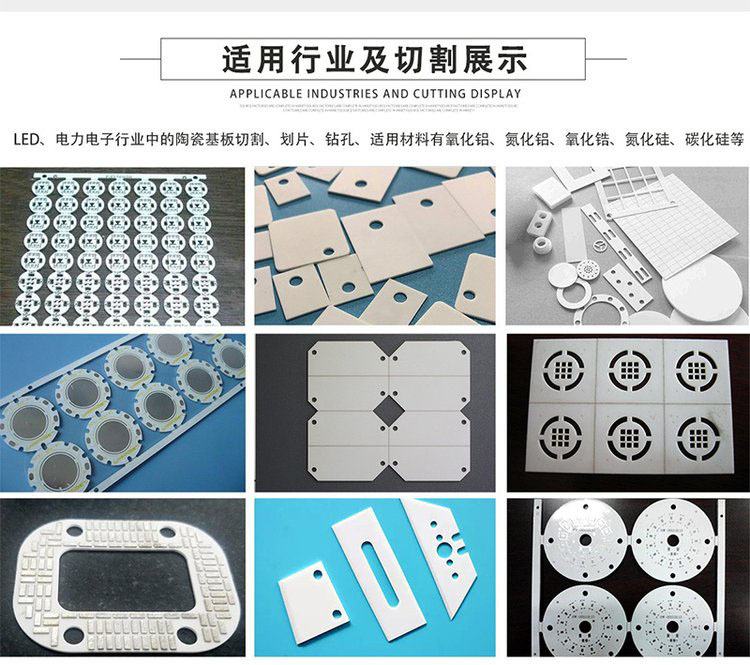
Laser cutting of ceramics, with its non-contact, flexible, and automated nature, as well as its ability to achieve precision and curved cuts with narrow kerfs and high speeds, represents an ideal ceramic machining method with significant application value and development potential compared to traditional techniques such as diamond wheel cutting.
Dry cells and storage batteries are energy-storage devices that store electrical energy and release it when needed; in contrast, hydrogen fuel cells are, strictly speaking, power-generating devices—like power plants—that directly convert chemical energy into electrical energy through electrochemical processes. Furthermore, the electrodes of hydrogen fuel cells are made from specially engineered porous materials, a key technology for these cells. Such electrodes must not only provide a large contact area for gases and the electrolyte but also catalyze the cell’s chemical reactions.
Hydrogen fuel cell vehicle Its operating principle is as follows: hydrogen gas is supplied to the anode (negative electrode) of the fuel cell. Under the action of a catalyst (platinum), one electron is separated from each hydrogen atom. The resulting hydrogen ions (protons), having lost their electrons, pass through the proton exchange membrane to reach the cathode (positive electrode) of the fuel cell. Meanwhile, electrons cannot pass through the proton exchange membrane; instead, they must travel via an external circuit to reach the cathode of the fuel cell, thereby generating... External circuit An electric current is generated. Once protons reach the cathode plate, they recombine with oxygen atoms and hydrogen ions to form water. Since the oxygen supplied to the cathode can be obtained from the air, as long as hydrogen is continuously supplied to the anode and air to the cathode, and the water (in vapor form) is promptly removed, electrical energy can be produced continuously.
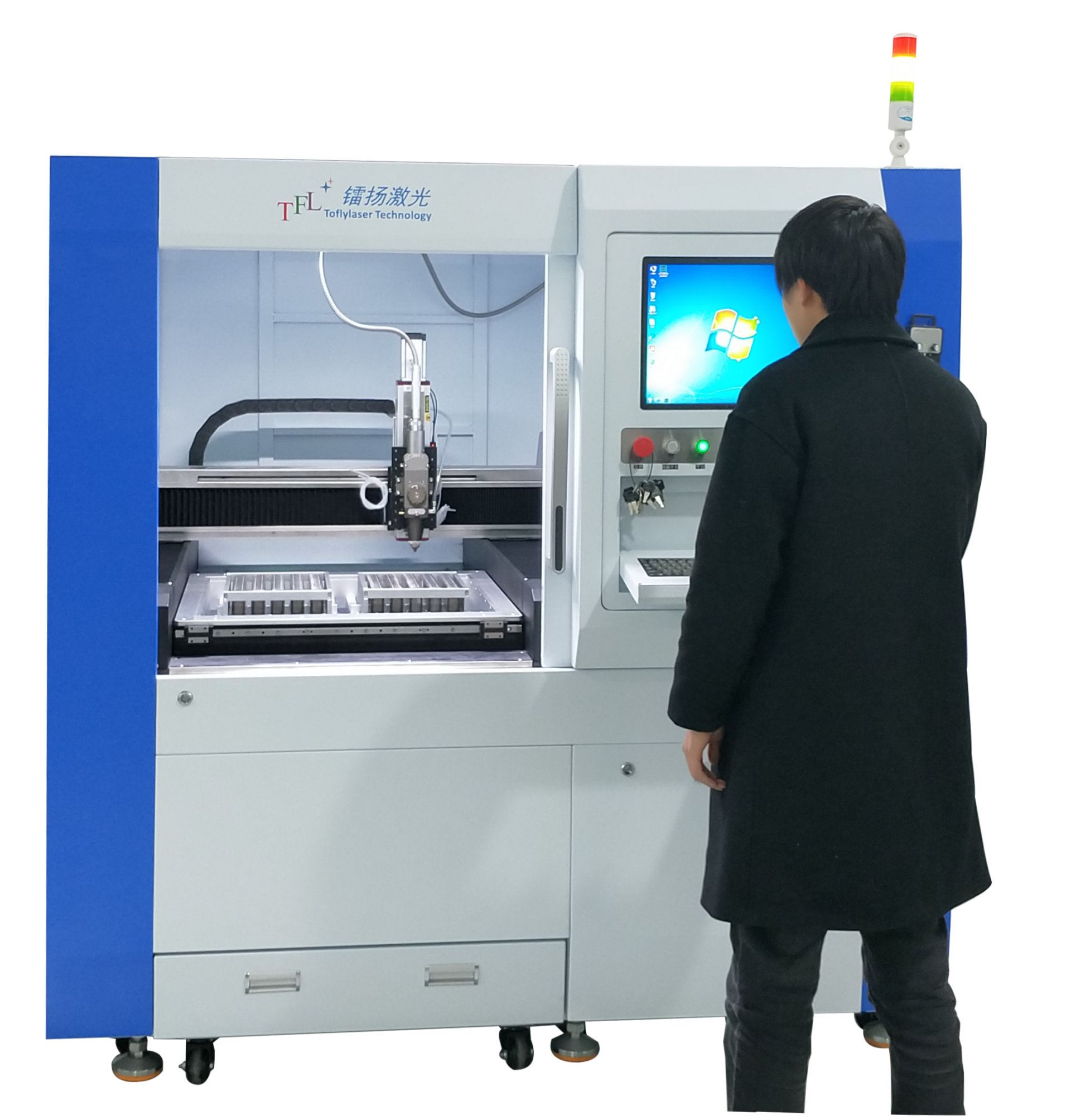
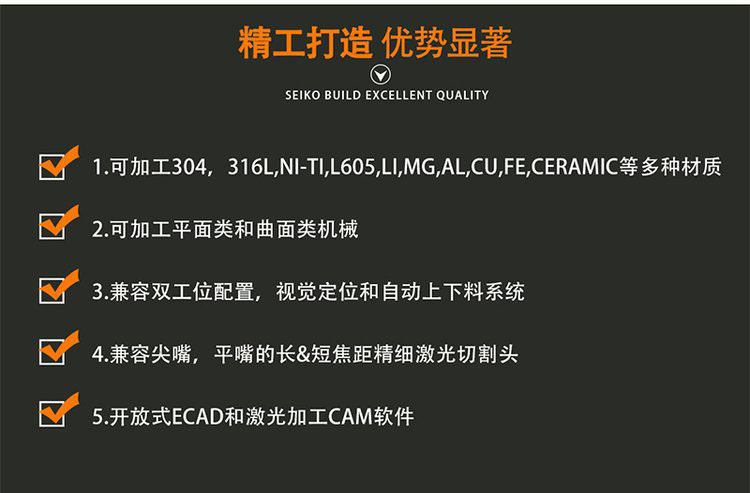
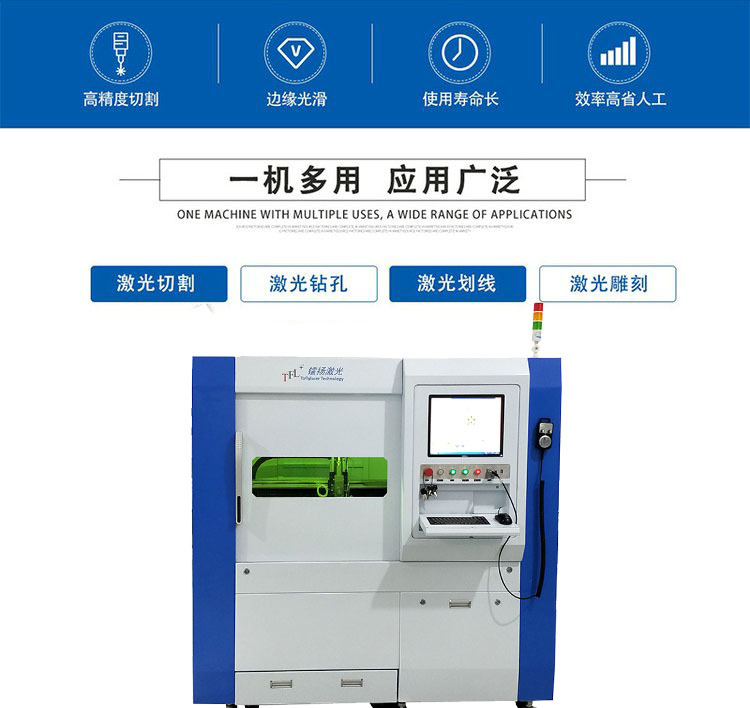
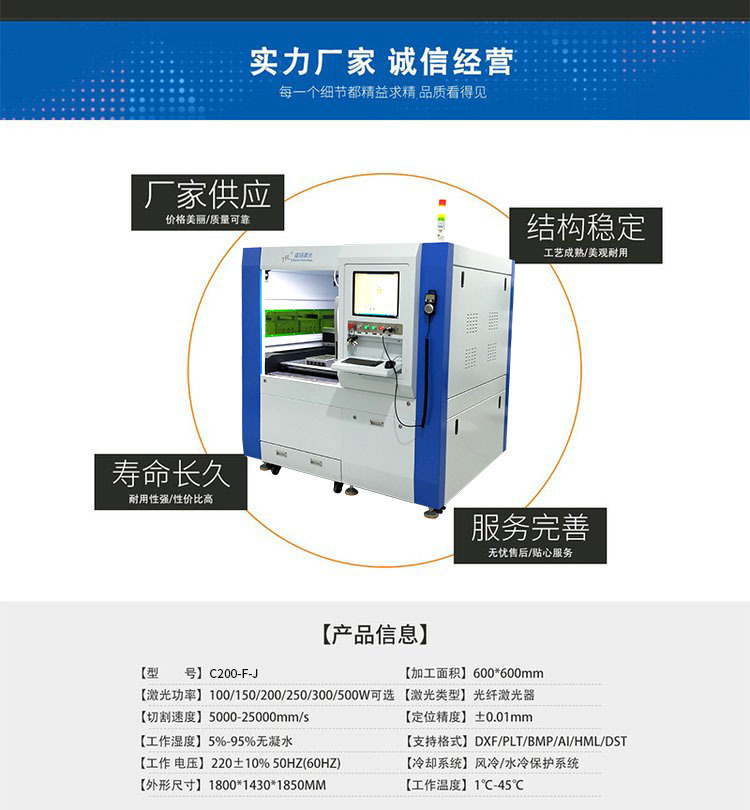
This equipment is specifically designed for hydrogen fuel cells, offering fast cutting speeds, high efficiency, burr-free edges, and excellent precision. Dry cells and storage batteries are energy-storage devices that store electrical energy and release it when needed; in contrast, a hydrogen fuel cell is, strictly speaking, a power-generating device—an electrochemical generator that converts chemical energy directly into electrical energy, much like a conventional power plant. Furthermore, the electrodes of hydrogen fuel cells are made from specially engineered porous materials, a key technology that not only provides a large contact area for gases and the electrolyte but also catalyzes the battery’s chemical reactions.
Toflylaser is a professional manufacturer of laser equipment and automated systems. Guided by our philosophy of “Earning Trust Through Responsibility, Pursuing Development Through Innovation,” we are committed to delivering stable, efficient, and energy-saving laser automation solutions!
Quick Navigation
> About Us
> Laser Welding Machine
>Laser Cutting Machine
> Laser Cleaning Machine
Contact Us
Address: Building 10, Xinghua Industrial Park, No. 2 Shuangma Street, Suzhou Industrial Park
Follow Us
Scan to inquire
Mobile App
Our main products include: laser marking machines, laser cutting machines, laser etching machines, medical device laser welding machines, fuel cell laser welding systems, laser cleaning machines, laser welding machines, laser brazing machines, robotic laser welding machines, and laser welding robots.