
1
Product Center
Multi-strand wire laser welding machine
- 产品描述
- 优势特点
- 技术参数
- 应用领域
-


Welding Sample Display
Weld Strength Consistency Standard



Welding Detail Display
Tensile strength target achieved, equal to base material strength.


Partners
Trusted by renowned enterprises


Product Introduction
Fiber Continuous Laser Welding Machine
Fiber lasers primarily consist of components such as a pump source, couplers, rare-earth-doped optical fiber, and a resonant cavity. The pump source comprises one or more high-power laser diode arrays; the pump light they emit is coupled into the rare-earth-doped fiber, which serves as the gain medium, via a specialized pumping configuration. Photons at the pump wavelength are absorbed by the doped fiber medium, establishing population inversion. The light generated through stimulated emission is fed back and oscillated by the resonator mirrors, resulting in laser output.

WW2000-F-T

W3000-F-T
01 Precision D/A conversion, effectively suppresses splatter
Precise D/A conversion—digital control of analog signals—ensures the weld nugget temperature rises continuously. At the same time, precise control of the current rise slope and duration prevents thermal spikes and avoids spatter caused by uncontrolled current-rise times.
02 High peak power enables high aspect ratios and allows processing of highly reflective materials such as copper and aluminum.
With a core diameter ranging from 20 µm to 50 µm, the power density—calculated according to the relevant formula—can reach ten times that of conventional optical fibers, significantly enhancing the feasibility of welding highly reflective materials.
03 Up to 30% photoelectric conversion efficiency, economical and environmentally friendly;
QCW lasers belong to the fiber laser family, with an electro-optical conversion efficiency exceeding 30%, far surpassing that of conventional YAG fiber‑coupled lasers. They save energy and are environmentally friendly, significantly reducing power consumption over long-term operation.
04 Flexibility of Beam Waveforms
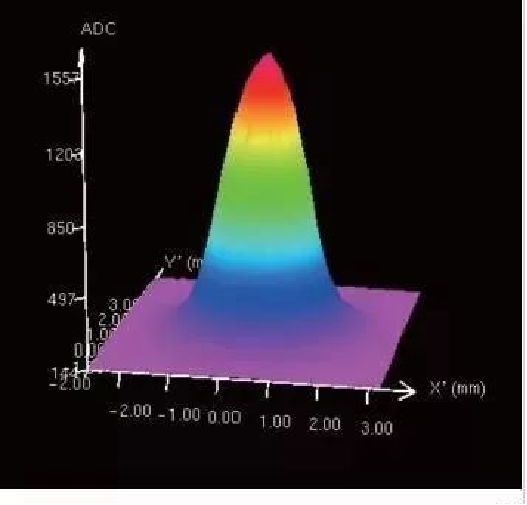
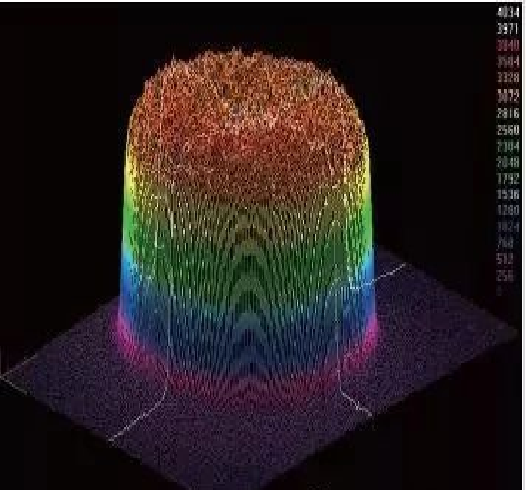
QCW fiber lasers offer a choice of single-mode or multimode output. For cutting very thin materials or applications requiring a small spot size, single-mode is the appropriate choice. However, most high-power applications utilize flat-top beams or multimode operation (see figure).
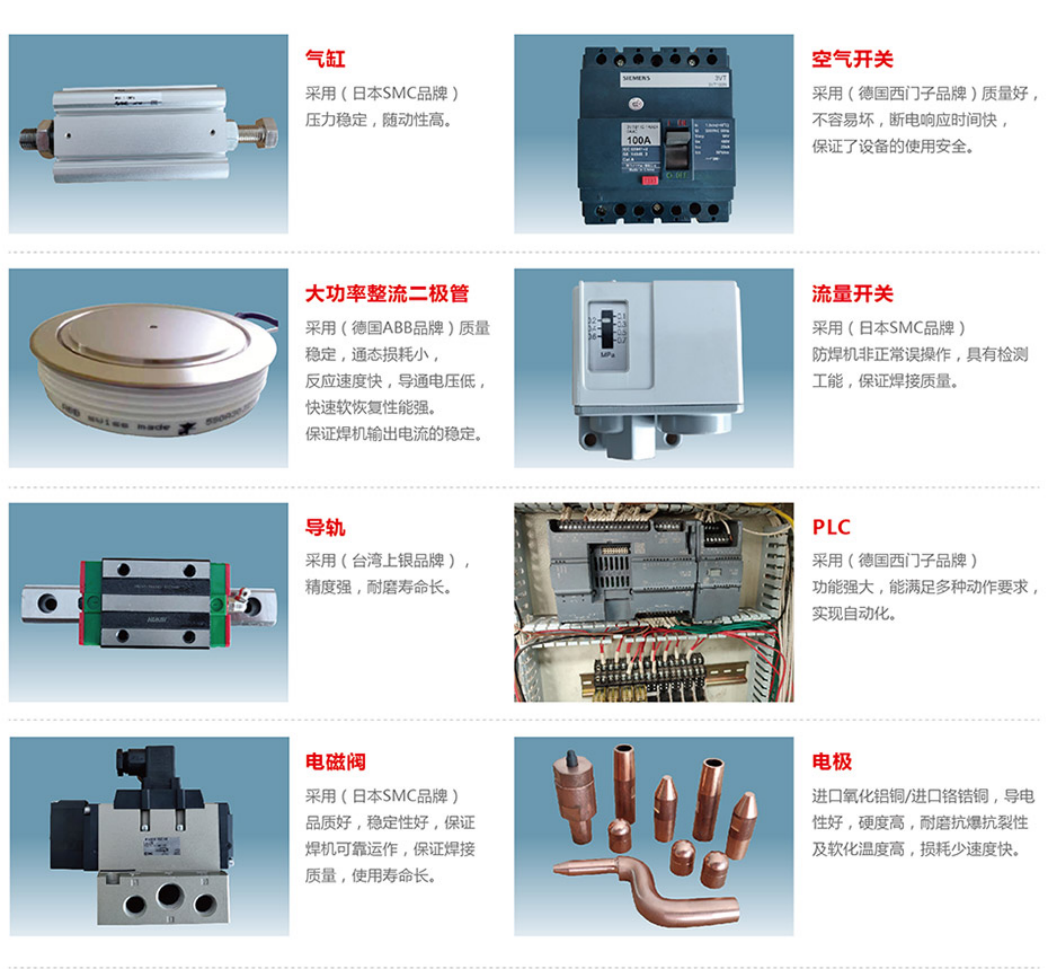
Core components: imported configuration

Custom Project Overview
TFLamphenol 7130 Headphone Soldering Project Introduction
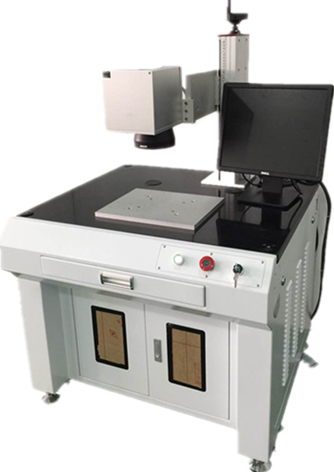
01 Customer Background and Pain Points
Amphenol, a U.S.-funded company, is an early manufacturer of communication and acoustic components. Its primary processes include injection molding, punching, and welding, and it predominantly uses copper materials. To enhance structural strength, it must weld a 0.1 mm-thick spring clip to a 0.8 mm-diameter copper post. The challenges encountered are:
1. Welding efficiency is extremely low: The original process involved single-sided, single-point welding, allowing only one weld point to be welded at a time, resulting in poor efficiency.
2. Weld strength does not meet specifications: Because the material is a copper alloy and the dimensions are too small, the weld joint lacks sufficient strength.
The customer is very frustrated by these two issues and has been unable to find a solution.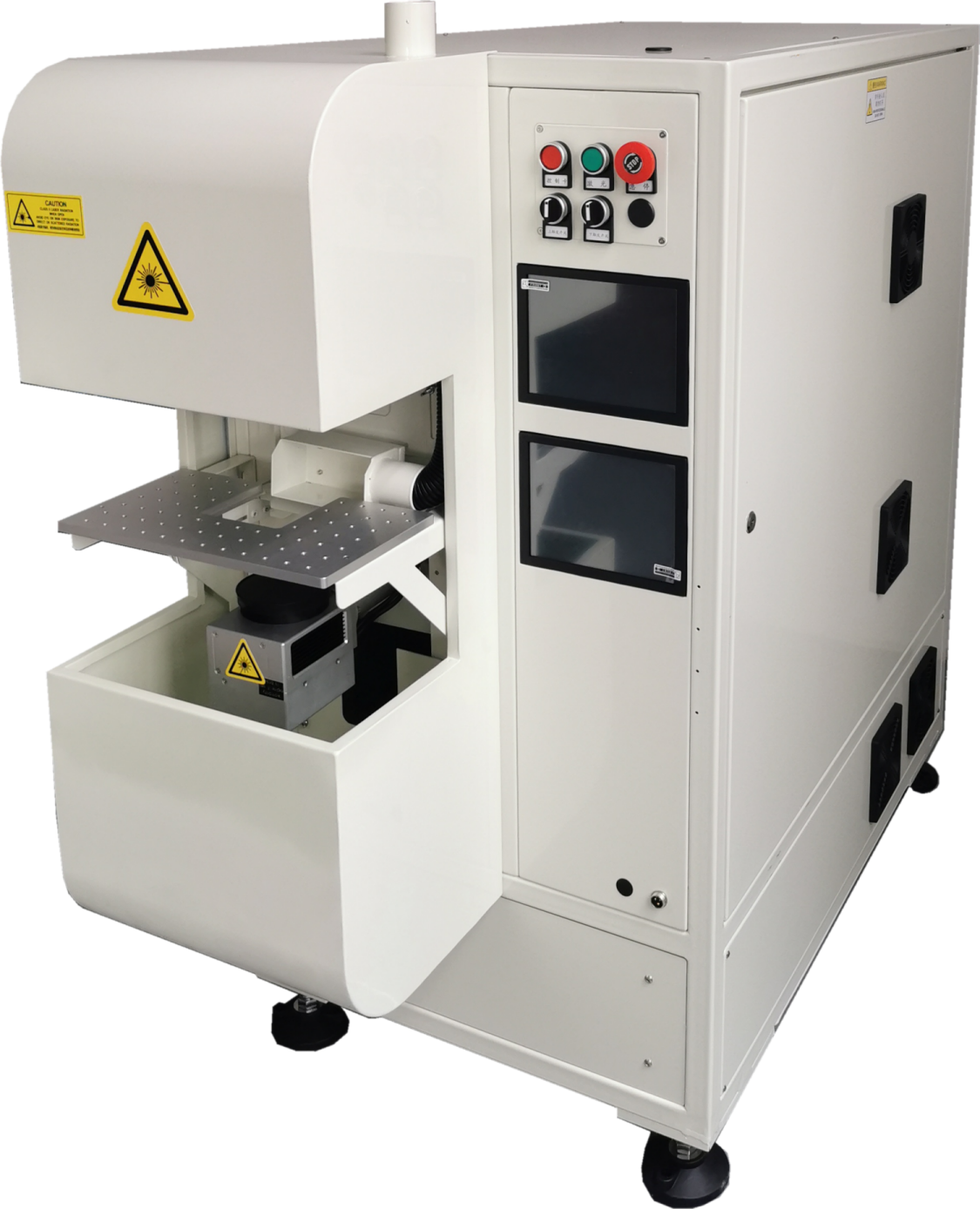
02 Customers have high requirements for the equipment
Amphenol found us online on October 16, 2019, discussed with our sales project engineer, and sought to customize a welding machine according to the following requirements:
1. Improve welding efficiency;
2. Reduce the number of fixture repairs;
3. Welding efficiency must be increased by 50% compared to the current level.
4. The yield rate must be increased by 30% over the current level.
5. Resolve the issue of welding instability;
According to the customer’s requirements, the existing standard spot welding machine simply cannot meet them. What should we do?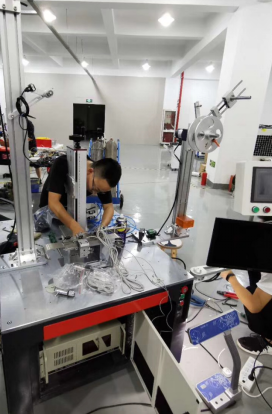
03 Custom development of the W150-F-J quasi-continuous laser welding machine according to customer requirements
Based on the customer’s requirements, the company’s R&D, welding processes, and sales departments jointly held a new project development meeting to discuss process design, tooling, structural layout, power delivery methods, and system configuration. They identified key risk factors, developed solutions for each, and finalized the overall direction and technical details as follows:
1. Prototype testing: The laser welding process engineer quickly fabricated a simple prototype fixture and used our existing medium-frequency welder to conduct trial tests. After five days of back-and-forth testing and tensile pull-out verification, the welding parameters were essentially finalized.
2. Equipment selection: The R&D engineer and the welding process engineer collaborated and calculated the required power based on the customer’s specifications, ultimately selecting the W150-QCW-J2 dual-head spot welder for earphones.
3. Equipment stability: Our company uses exclusively imported components for all core parts.
4. Equipment Advantages:
1) The double-head automatic spot welding machine we selected can weld two spots in a single cycle, increasing efficiency by more than 50% compared to the previous single-point model.
2) We have selected a special electrode material, which eliminates the occurrence of blowholes, resulting in a high yield rate, stable welds, and high strength that can match that of the base material; after welding, the weld can be directly pulled through the base material.
3) Easy to operate; ordinary workers can handle it, eliminating the need for professional welders and reducing labor costs.
4) When used with an automated positioning fixture, welding efficiency can be increased by 50% compared to the previous level.
5) Using dual-vibration lens welding results in a high yield rate, which can be increased by 30% compared to the previous method.
5. Delivery period: 25 working days.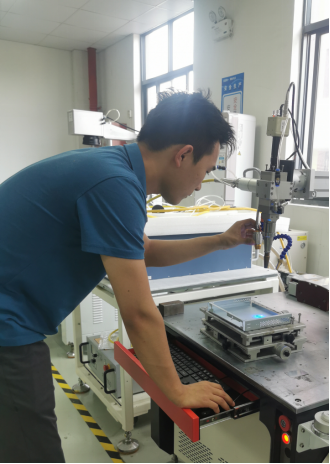
05 Meeting your customization needs is the mission of Raythink’s continued development.
Our customer base guides us,
What material do you need to weld?
What welding requirements? What welding process?
Do you need a fully automatic, semi-automatic, or assembly-line system?
Please feel free to raise any questions; LeiYang can provide “custom R&D” for you.
Customer Cases
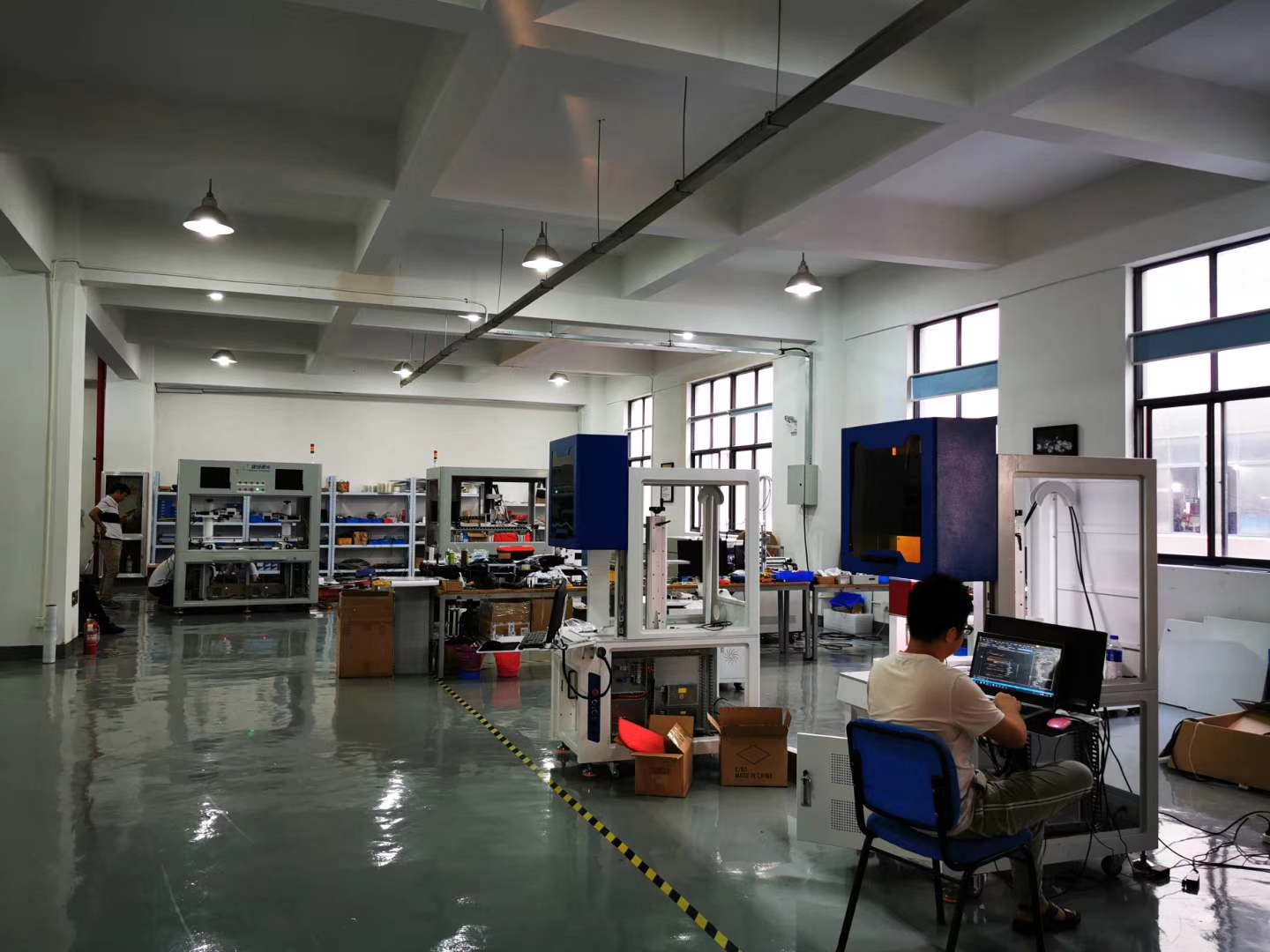
Amphenol headphone laser welding production line
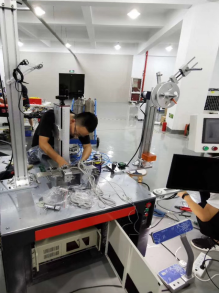
Automatic Battery Tab Welding Machine
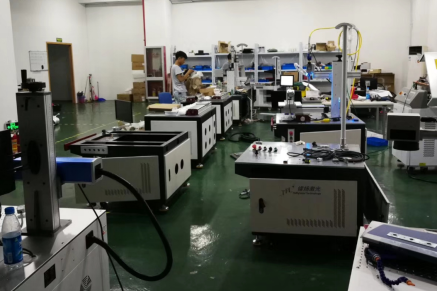
Medical Device Laser Welding Machine
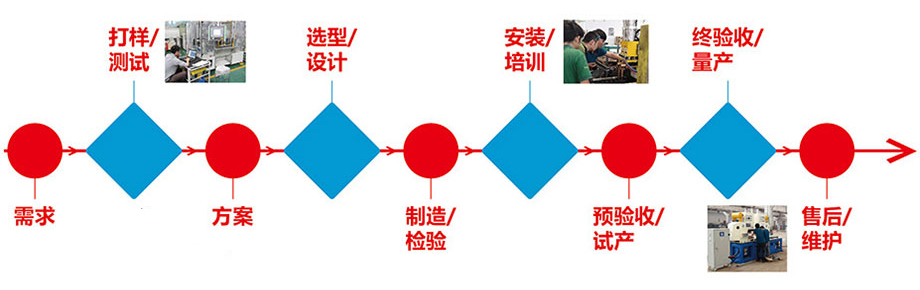
Custom R&D Process
Professional, attentive service—Leiyang is with you every step of the way!
Customer Service System
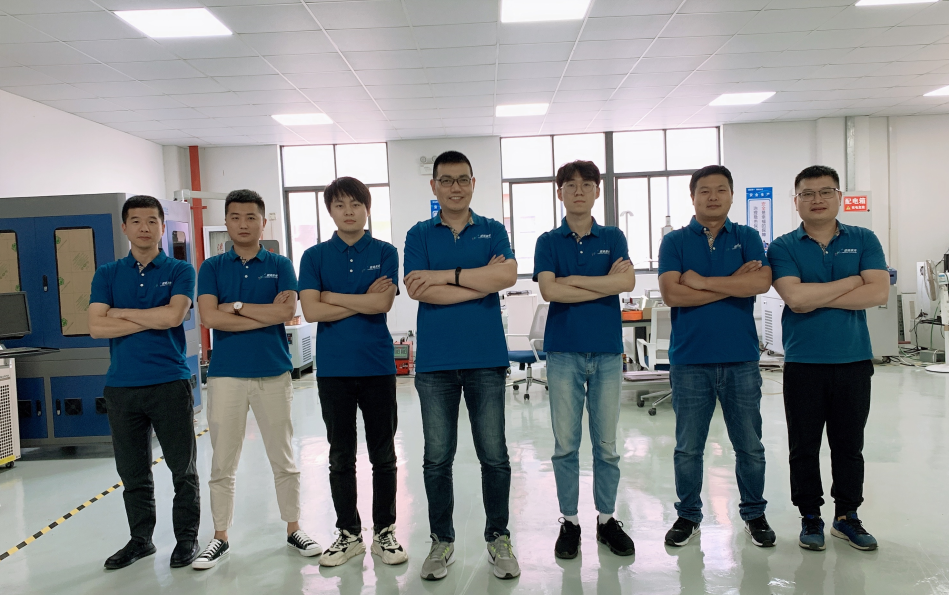
Raiyang 20 A multi-person service team, 24/7 Service online, 8h Service at your doorstep, lifetime maintenance!
Our after-sales engineers provide free on-site installation and commissioning, along with hands-on training, to ensure your success!
Auxiliary equipment
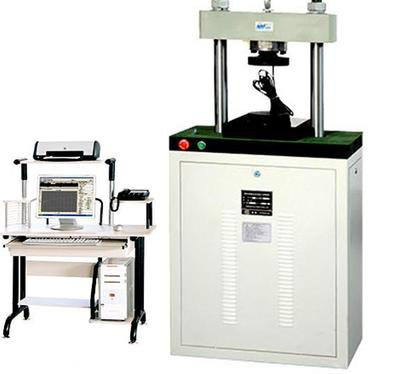
Pressure tester
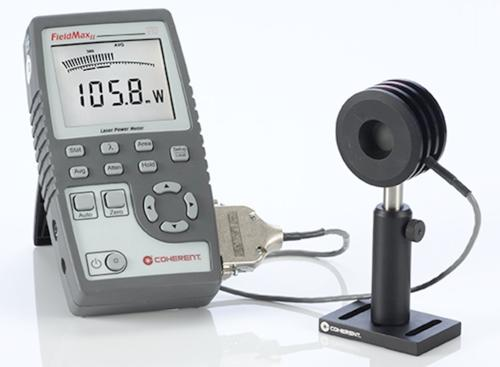
Laser power meter
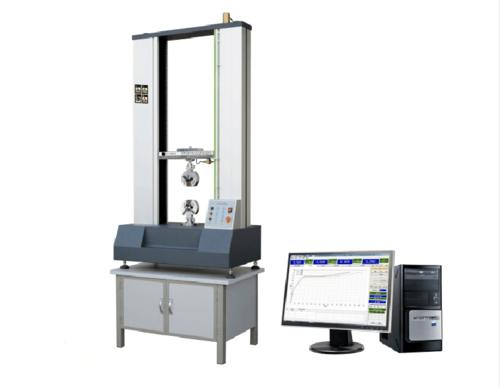
Tension meter
 Key words:
- Laser welding of multi-strand guidewires
- laser welding of spring guidewires


Toflylaser is a professional manufacturer of laser equipment and automated systems. Guided by our philosophy of “Earning Trust Through Responsibility, Pursuing Development Through Innovation,” we are committed to delivering stable, efficient, and energy-saving laser automation solutions!
Quick Navigation
> About Us
> Laser Welding Machine
>Laser Cutting Machine
> Laser Cleaning Machine
Contact Us
Address: Building 10, Xinghua Industrial Park, No. 2 Shuangma Street, Suzhou Industrial Park
Follow Us
Scan to inquire
Mobile App
Our main products include: laser marking machines, laser cutting machines, laser etching machines, medical device laser welding machines, fuel cell laser welding systems, laser cleaning machines, laser welding machines, laser brazing machines, robotic laser welding machines, and laser welding robots.